
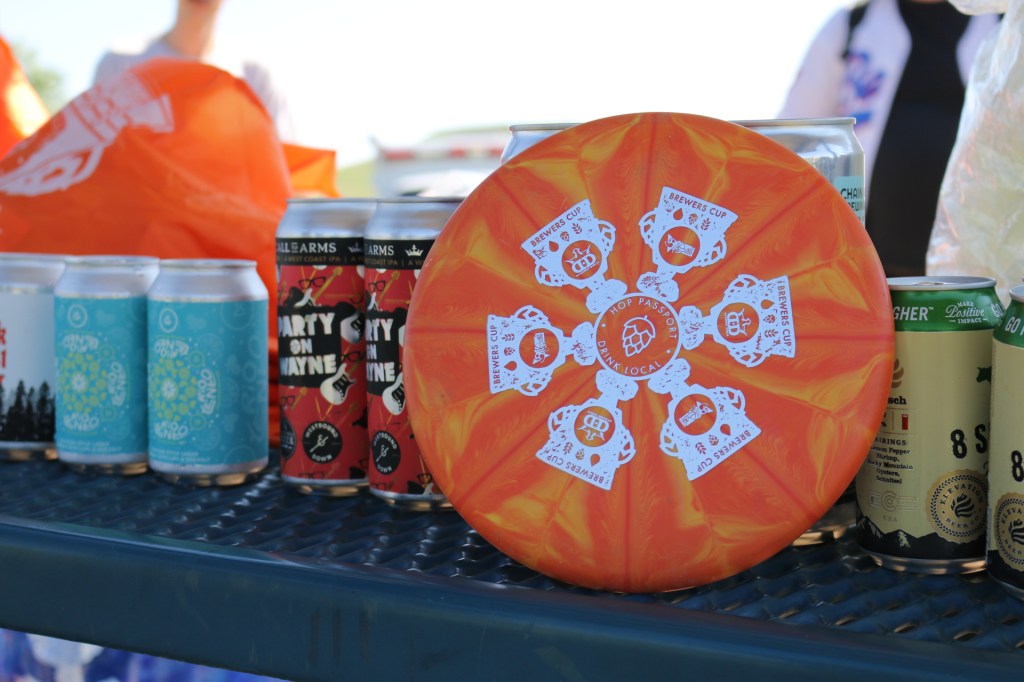
The connective tissue between disc golf and craft beer is strong. Brewers love to throw discs. Disc golfers have been known to crack open a craft cold one before, during, or after a round- and sometimes all three.
So for Matthew Love and his craft beer discount company Hop Passport, hosting a disc golf tournament exclusively for members of the craft brewing and distilling industries was a no-brainer.
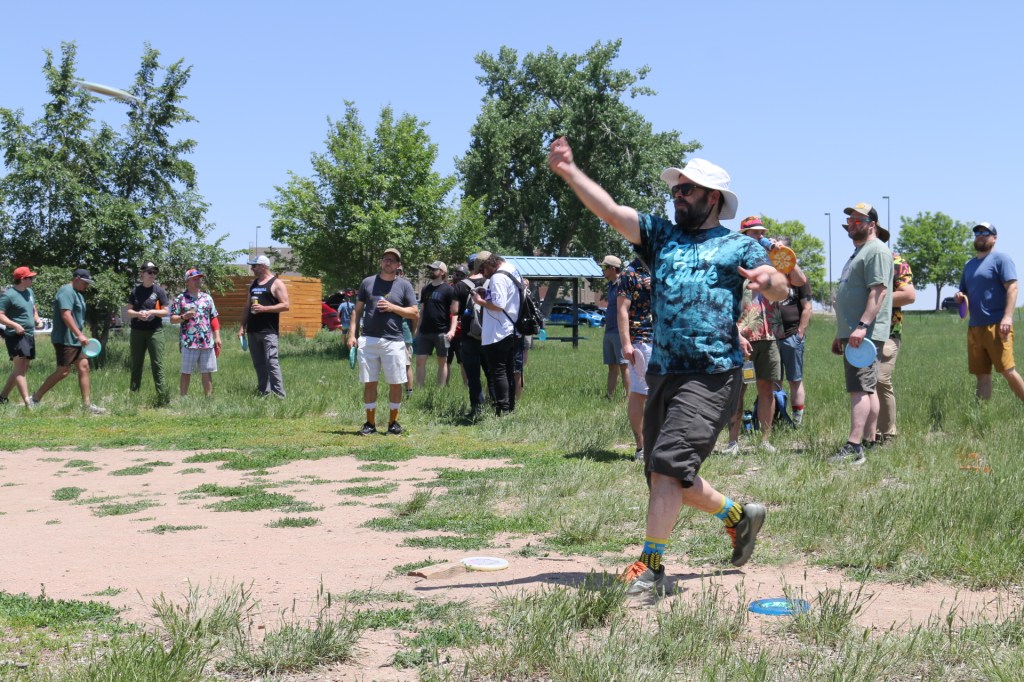
The Brewers Cup powered by Hop Passport travels around the country, usually coinciding with local beer festivals, and invites local brewers and distillers to play in a casual, best-disc doubles tournament designed to create community at the intersection of disc and drink.
The tournament continues to grow: more than 30 teams participated in the most recent Colorado iteration of the Brewers Cup at Fehringer Ranch on June 9th.

Disc golf and craft beer share more than community and connective tissue, however. The similarities extend down into the core DNA of each. Both, for instance, came from humble beginnings.
Exact origin stories are elusive. It’s generally accepted that “Steady” Ed Headrick is the father of modern disc golf due to his introduction of the flying disc in 1966 and the disc golf pole hole in 1975, though accounts exist of earlier rudimentary versions of the sport. Depending through which lens you view craft beer history, its originator was either Charlie Papazian of 1970s homebrewing fame, or Jack McAuliffe, Ken Grossman, Fritz Maytag and any other number of early craft brewers spanning from the 1960s to the 80s.
Regardless, these pioneers shared a sense of scrappy persistence, scraping and clawing to grow their respective fields with nothing more than some elbow grease and grassroots enthusiasm. It worked. In 1980, there were eight craft breweries in the US. Today, there are nearly 9,800. The story’s the same for disc golf. In 1980, the US housed an estimated 50-60 courses. Today? More than 10,000.
As they grew, both disc golf and craft beer came to embody some level of blue-collar counterculture. Craft beer was born in direct defiance of larger “macrobreweries,” deemed bland and offensive by brewers who offered a more local, artisan product. Disc golf, to a lesser extent, was a much less pretentious version of “ball golf,” without the fancy clothes, tee times, and exorbitant fees. Though modern versions of both are more refined, craft beer and disc golf still have punk rock sensibilities in their souls.
COVID, however, represented an inflection point for each. Where disc golf boomed, craft beer busted. UDisc reported triple the recorded rounds played on the popular disc golf app in 2020 over 2019. The growth continued year over year, with 20.1 million rounds played in 2024 marking the app’s highest annual total to date. Roughly 100k new players logged rounds. The sport continues to trend upward, ranking among the fastest growing sports in the country.
Craft beer however, suffered. The total number of barrels produced in 2020 dropped nearly 10% from 2019. After a brief recovery, last year saw a 4% drop. In 2024, more breweries closed than opened- the first time that has happened since 2005. While long-term optimism remains high, there’s no doubt the craft beer industry has endured a period of prolonged contraction.
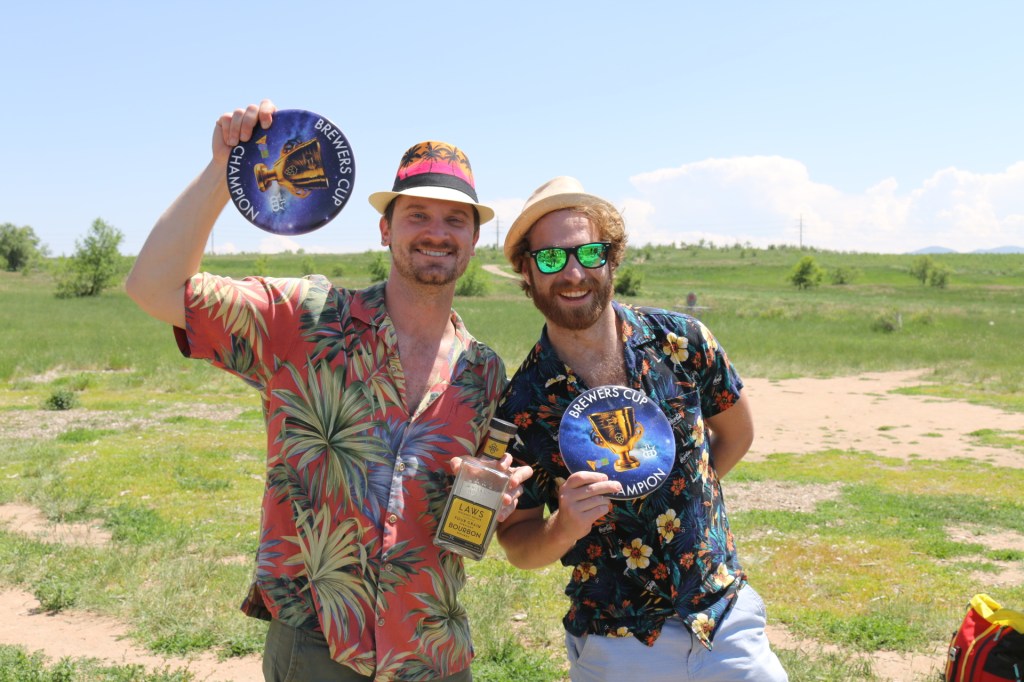
Still, you wouldn’t have known it at the Brewers Cup. The mood was jovial, with plenty of smiles and shared drinks accompanying the satisfying sound of discs hitting chains. A team of distillers took home first place, earning a few good-natured jabs from the teams of brewers. For one day at least, nobody cared which direction business was trending in craft beer or what the future may look like for disc golf. All that mattered was the shared culture between the two.
It was a fitting reminder that craft beer and disc golf occupy a similar space of enjoyment, recreation, and relaxation, and that usually the two are best enjoyed together.
 303 Features